 A hard look at the American penal system–from cops, to court, to prison–is past due, and within this scholarly but crystal-clear series of essays, the broken justice system that still rules unequally over all inside USA borders is viewed under a bright light. Isn’t it about time? Thank you to Doubleday and Net Galley for the DRC. It’s for sale, and anyone with an interest in seeing change should read it. Caucasian readers that still can’t figure out why so many African-Americans are so upset should buy this book at full price, and they should read it twice. If you read this collection and still don’t understand why most Civil Rights advocates are calling out that Black Lives Matter, it likely means you didn’t want to know. But bring your literacy skills when you come; well documented and flawless in both reason and presentation, it’s not a book that individuals without college-ready reading skills will be able to master.
The most horrifying aspect of American policing and prosecution is the way that Black boys are targeted. Sometimes only 10 or 12 years of age, they find themselves in the crosshairs of suspicion and implicit bias no matter what they do. Of course, the presumption that someone is violent, is dangerous, is guilty is never acceptable, and men and women all over the USA have seen it happen. However, most cultures hold their children dearest, and so what happens when every African-American boy grows up knowing that cops will assume he has done something wrong because he has stopped on the street corner, or not stopped; walked too slowly, or too quickly; looked away, or looked around down; what happens when an entire subset of the US population knows that he was essentially outlawed from the cradle?
Those that care about justice won’t want to read this collection while eating, and you won’t want to read it at bedtime, either. How do you swallow? How do you fall asleep when what you want to do is hit a wall? This reviewer’s own family is racially mixed, and when I consider the easy good humor of the Black men in my family, I wonder how they do it. And yet I know the answer: you can’t be angry seven days a week or your life is already over. They face American racism with fatalistic humor and get on with their lives.
That shouldn’t be necessary.
These essays each zero in one particular area of policing. Implicit bias is addressed, as is the failure of the US government to even admit that a problem exists. The Supreme Court has adopted the ivory-tower position that American justice is colorblind, centuries of evidence to the contrary notwithstanding. There is no database at all regarding the deaths of Black boys and men by cops, and no requirement that anyone keep track. Does it make a difference if the prosecutor is Black? There’s no data. None.
And did you know that 95% of the people charged with a crime plead guilty? Prosecutors hold so much power that often a completely innocent person can be persuaded not to risk having an extra charge, and extra time, tacked on. Prosecutors get to decide whether a crime should be pursued as a state crime, which has far more lenient implications, or as a felony. Cops are out in the public eye—and thank goodness they are—but prosecutors do things quietly, often behind closed doors.
Davis’s own article alone is worth the purchase price of this collection, but once you have it in your hands, you will want to read the whole thing; and you should. You should do it, and then you should become involved. Protest in the way you are able, but don’t sit idly by and watch. Protest, because Black Lives Matter, and until this country admits that it has a race problem, how can any of us breathe?

 Grant and Sherman are my favorite generals of all time, and Flood is a highly respected author. This book was on my must-read list, and so I searched it out on an annual pilgrimage to Powell’s City of Books, and I came home happy. It turned out to be even better than I anticipated.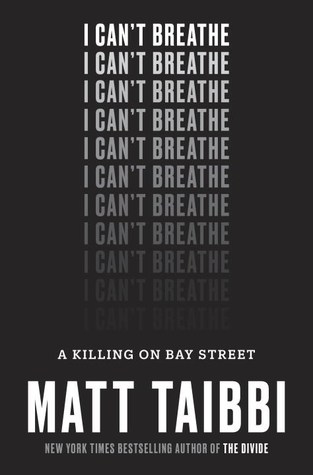
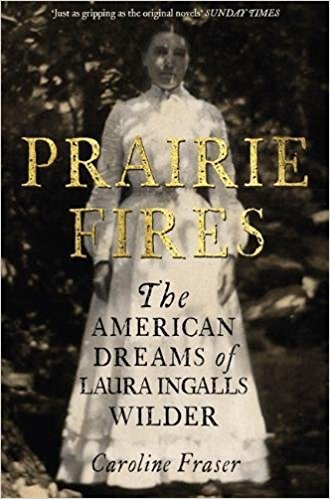 Are the classic “Little House” books memoir or historical fiction, and were they written by Laura or by her daughter? If you’re confused, you’re not alone. In this epic, absorbing biography of her great-grandmother, Fraser tells us. Between her congenial narrative and careful, detailed documentation, this author has created a masterpiece. Lucky me, I read it free and early thanks to Net Galley and Henry Holt Publishers. This book is now for sale.
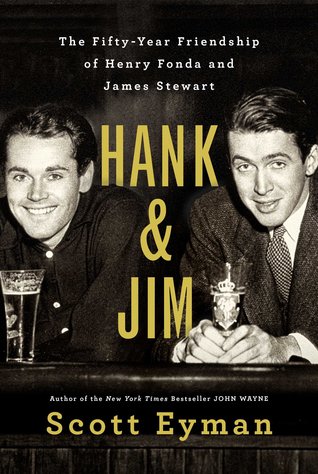 Fans of Henry Fonda and Jimmy Stewart will want to read this biography, written by the author that recently wrote a biography of John Wayne. I was invited to read and review by Net Galley and Simon and Schuster, and so I read it free in exchange for this honest review. It’s for sale now.
 Ta-Nehisi Coates is pissed. He has a thing or two to say about the historical continuity of racism in the USA, and in this series of eight outstanding essays, he says it well. I read it free and early thanks to Net Galley and Random House, and I apologize for reviewing it so late; the length wasn’t a problem, but the heat was hard to take. That said, this is the best nonfiction civil rights book I have seen published in at least 20 years.
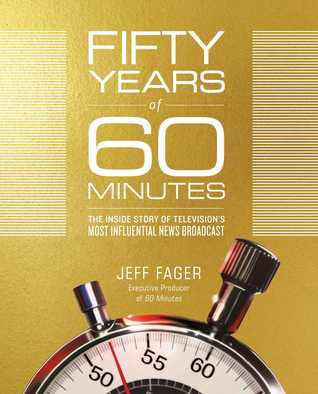 60 Minutes first aired in 1968, a year for news if ever there was one. It was brilliantly conceived as a television news magazine, covering multiple unrelated news stories in a single broadcast. Executive producer Jeff Fager offers the reader an insider’s peek; lucky me, I read it early and free thanks to Simon and Schuster and Net Galley. It’s for sale today.
 Actor Leah Remini was a child when her mother discovered Scientology; the church was in many ways her parent. When she rebelled against it, she was smart and very public, and she spells the entire thing out for us right here.
 During World War II, the Japanese Imperial Army forced over 400,000 women into sexual slavery; though the Korean comfort women have been recognized for a long time, the survivors in the Philippines lived with the trauma and appalling social stigmatization for decades, unheard. Recently 173 of them, now very elderly, filed suit against the Japanese government. This collection includes interviews with 16 Filipina women whose lives were ruined by this atrocity. Thanks go to Net Galley and Northwestern University Press for the DRC, which I received early and free in exchange for this honest review. The collection is for sale now.
