
 I was invited to read and review this title by Net Galley and Open Road Media. At first I thought it looked like a real winner, and in many respects it is. For me, one glaring problem made it impossible to finish; more on that in a minute. For those interested in the Resistance during World War II, this may prove a successful read and an interesting one if you can get past the hurdle that stopped me.
And now, the rant: Why is it—I ask for perhaps the tenth time—that publishers that would never, ever dream of letting literature that gratuitously uses the “N” word, and rightfully so, nevertheless let anti-Asian slurs drift in and out of historical prose as if they are nothing more than period details? Yes, it’s true that in World War II, Japanese were called some ugly things, and inexplicably, so were Chinese, though they were friendly toward the US. And it’s also true that there are Black men in the US military that were referred to by ugly, racist epithets by Caucasians at all levels of command. We don’t reprint the nasty words used with regard to African-American troops, because those words are hurtful, and the use of them is wrong. In fact, it may be considered a hate crime.
So then…why is it any less urgent that anti-Asian insults be expunged from literature?
If I had seen just one or two instances in this work, I would have included a comment to that effect here and move forward with a description of the book itself. And it’s true that there is solid information provided by specialists here, along with meaty anecdotes. It’s not easy to find accessible books that describe the Resistance in a knowledgeable way, and this book does that. In fact, without the vile language incorporated here without recognition or comment on the part of the authors or the publisher, I would probably rate this at five stars. But it’s hard to be certain because when I hit the page where 5 slurs appeared on one page of my Kindle—at about the 40% mark—I gave up.
Yo, Open Road. I love that you folks were among the first to auto-approve me when I was a brand new blogger, and I have been looking for a chance to pay you back with a five star review. And we almost had that here. But you need to do whatever it is that publishers do when they find offensive terms sprinkled throughout the text of an otherwise worthy book for no good reason. If you can’t do that, I can’t praise your historical works.
For Asians—some 6 million in the USA, according to the most recent Census—for those that love Asians and hate racism, this book is not recommended.
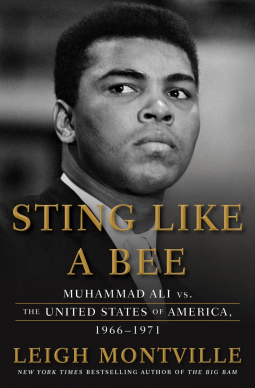 “’It takes a lot of nerve for somebody, mainly a white, to ask me do I hate. I haven’t lynched nobody and hid in the bushes.’”
 The good news is that if you’re looking for something dark, then Chaon is your author. I received a copy free and in advance in exchange for an honest review; thank you Net Galley and Random House Ballantine. This book was released today and is available to the public.
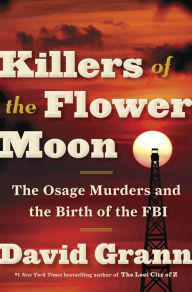 I received this book free from Net Galley, courtesy of Doubleday, in exchange for an honest review. It looked like a fascinating read, but I am disturbed by the sources chosen, which sent up all sorts of red flags right from the get-go and before I had even focused on the references themselves, a due diligence that has to be done before any nonfiction work can be recommended. Once I examined the references, I concluded that so many of them are so questionable that nobody, including the writer, can demonstrate anything beyond the premise of the book itself to be true. The killings happened; that’s about it.
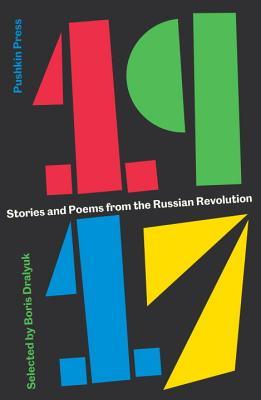 I received my DRC for this collection courtesy of Net Galley and Pushkin Press. I thank them for the opportunity to read and review; this compilation of poetry and prose will be for sale on December 1, 2016. What a crying shame it’s so negative.
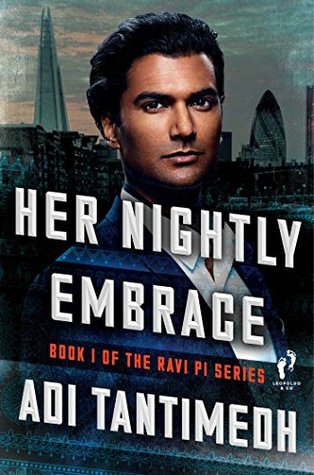 I was invited to read and review this title by Net Galley and Atria Books. I thank them for the opportunity. The first two chapters showed signs of promise, but in the end, this book is poorly written and for most, it will also be offensive. I can’t recommend this title. That said, it’s about to become a television program, so perhaps you will enjoy it more than I do. But I have to call them as I see them, and if they give this writer a host of awards, I will still say this book is worth one star and nothing else.
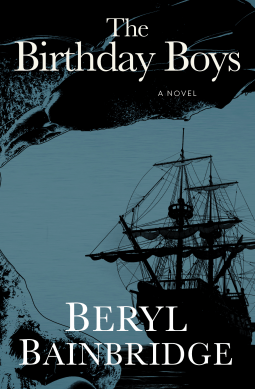 The Birthday Boys is a fictionalized account of the Scott expedition’s travel to Antarctica in 1910. It’s told sequentially through the perspectives of five men that participate, each picking up where the last has left off and of course, also including some personal reflections and memories to make them more real to us. I was invited to read and review this novel based on my enjoyment of the book Ice Brothers, which was also a maritime tale (and is reviewed here:
  Best known by the pseudonym Ed McBain, Richard Marsten, the name under which this book was originally scribed in 1958, was born as Salvatore Lombino. I was a huge fan of McBain’s, and every time I see some small thing he wrote that I haven’t had a chance to read yet, I snap it up. And so it was with this DRC, which I received compliments of Net Galley and Open Road Media. But once I reached the halfway mark, I felt sort of queasy and couldn’t continue. I suspect that much of what he wrote as Marsten might as well be left in whatever obscure attic corner it’s perched in, because society has moved forward since the 1950s, and this book is still there.
 It’s seldom that I find myself so ambivalent about a galley; I read this free thanks to Net Galley and Endeavor Press in exchange for an honest review. The writing skill is probably closer to a five; the respect level for women, people of color, and anyone that isn’t oriented straight as a bullet’s path is closer to a one. So those that are constantly inveighing about how tired they are of trying to be PC, here. This is for you. For those of us that have moved along, I am not so sure. This book was released digitally in January, 2016 and is now for sale.
 This title appeared to be a sure fire winner, a thriller that would also spotlight domestic violence and even more so, campus rape. I was pleased when Net Galley and Touchstone Publishers green-lighted my request for a DRC, which I received free of charge in exchange for this review. And without the social issues, which are a mixed bag but still partially useful, this would be a 1.5 star review, because as a mystery, as a thriller, as any kind of fiction, it doesn’t stand up.
