 “You ever hear of the Bobbsey Twins from homicide?”
Dave Robicheaux and Clete Purcel are back. For those that have never read the work of James Lee Burke, it’s time; for those that have missed his two best-loved characters, this new release will be as welcome, as cool and refreshing as a Dr. Pepper with cherries and ice. Lucky me, I read it free thanks to Net Galley and Simon and Schuster in exchange for this honest review.
Robicheaux is a Cajun cop from New Iberia, a small town an hour from New Orleans. Southern Louisiana, he tells us in his confidential narrative, has become “the Walmart of the drug culture.” He is under tremendous pressure; grieving the loss of his wife, Molly in an auto accident, he blacks out one drunken night, the same night that a murder occurs. Dave was in the area, and he cannot say he didn’t commit the murder, because he can’t recall anything. That’s why they call it a black out. His daughter Alafair returns from the Pacific Northwest to help her father pull himself together; she tells him he didn’t do it because murder is not in him. Clete says the same thing. But Dave is a haunted man, and he wonders what he is capable of.
To cap it all off, Dave has been assigned to investigate the rape of Lowena Broussard. The story doesn’t gel, and he wonders if it actually happened.
All of the fictional ingredients that make up Burke’s fictional gumbo are here: slick politicians, mobsters, thugs, and sociopaths. We also have people from Hollywood, whose casually entitled behavior and attitudes are anathema to Robicheaux and probably also to Burke. Alafair has been hired to write a screen play, and lascivious comments directed her way from those in charge of the film make Dave see red.
Clete figures prominently here; as longtime readers already know, Clete “would not only lay down his life for a friend, he would paint the walls with his friend’s enemies.” At one point a couple of thugs follow him into the men’s room at a local bar, and we fear they will kill him. Instead, “Maximo and Juju went to the hospital, and Clete went to the can.”
Burke has long been admired for the way he renders setting. A creative writing teacher could assign this book, because examples of how to render a place in a way that is original and immediate can be found by flipping to almost any page. But there’s more than that here. The dialogue crackles. The narrative is luminous at times, philosophical at others (are the Confederates the new Nazis?) and hilarious here and there as well. It’s enough to make ordinary writers sigh; I may write, and you may write, but neither of us will ever write like this.
There’s also plenty of fascinating Cajun culture here, and it’s so vastly different from anything I have known in my long life, most of it spent in the Pacific Northwest, that I find myself rereading passages. There’s a travelogue feel to parts of it that is unmatched anywhere else.
Lastly, I have to tell you that this story holds an extra element of suspense for me. These characters were originally crafted in the 1960s, and our author is growing old. I wonder as I read whether he intends to kill his heroes, one or both, in order to prevent future pretenders from usurping them. Every time I find Clete in danger, my heart nearly stops. I know that Dave has to make it all or most of the way through this book because it’s written in the first person, but Clete can go any damn minute.
Will Burke pull the plug?
Obviously I am not going to tell you anything more; the quotes you see above all occur early. But for those that can read work that is gritty and at times violent—I had to take little breaks now and then—there is no better fiction anywhere.
Note to the reader: there are some of Burke’s older books on YouTube in the form of audio books. Authorized? Unauthorized? Who knows, but for now at least, there they are.

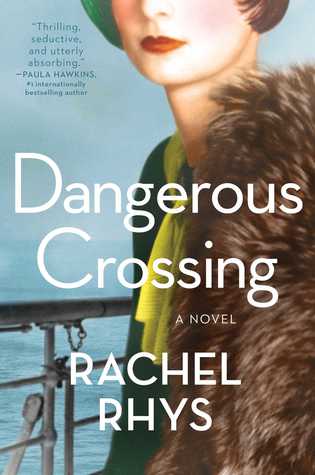 Dangerous Crossing is an historical mystery set at the outset of World War II. I was invited to review it by Atria Books and Net Galley; it was published earlier this month, and you can buy it now.
 Nerds, geeks, and bibliophiles be ready. Marvin Dietz, who in an earlier life was the executioner of Joan of Arc, is leaving Portland, and he’s collected some unlikely traveling companions. Why not join him? I read this story free and early thanks to Meerkat Press, but it’s worth your nickel to seek it out, because there is nothing else like it. This book is available to the public Tuesday, January 23, 2018.
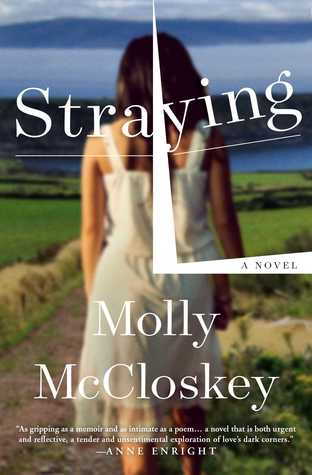 This title is the first fictional work McCloskey has published in the US, but surely it cannot be the last. This addictive novel came to me free and early, courtesy of Scribner and Net Galley in exchange for this honest review. It becomes available to the public February 20, 2018.
 Four adolescent siblings growing up in New York City learn that a traveling psychic has hit town, a woman that can tell each person the date that he or she will die. Against the wishes of their parents, they sneak out to find her. I received my copy free and early in exchange for this honest review, thanks to Net Galley and G.P. Putnam’s Sons. This book is now available to the public.
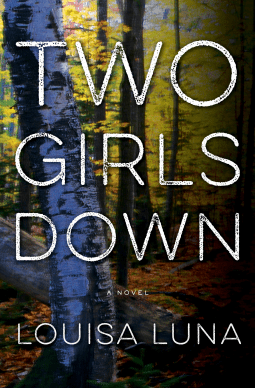 This is a quick read and a fun one. I received my copy free and early in exchange for this honest review courtesy of Net Galley and Doubleday. It becomes available to the public tomorrow, January 9, 2018.
 Waterbury, Connecticut is the place to go for immigrants, the Brass Manufacturing Capital of the World; that’s true, anyway, until the plant closes. Elsie Kuzavinas waits tables at a Greek restaurant while her mother slaves over the assembly line at the Peter Paul Almond Joy Mounds factory nearby.
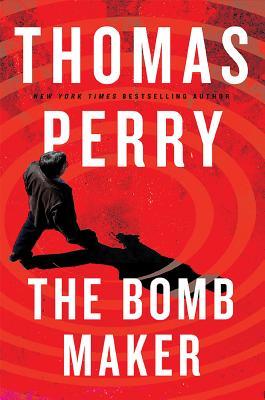 Thomas Perry writes some of the most terrifyingly suspenseful novels of any writer alive, and he never has a dud. In this story, a retired bomb squad cop is asked to come back to work when half the current squad has been wiped out by someone that wants to kill bomb specialists. I was able to read it free and early thanks to Edelweiss and Mysterious Press. It will be available to the public January 2, 2018, just in time to start the new year with a bang.
 Anna Quinn is a brave writer. This wrenching debut novel occupies a place in literature that has lain dormant for decades; kudos to Quinn for bringing dark business out into the light of day for a good airing. I received my review copy free and early thanks to Net Galley and Blackstone Publishers. It will be available to the public January 30, 2018.
