
Cassie Chambers was born and raised in Owsley County, Kentucky, the poorest county in the United States. With the determination handed down to her by her mother and grandmother, she attended Ivy League schools and became a practicing attorney. This memoir is her story as well as a defense of the women from her homeland, a manifesto opposing stereotypes and misconceptions. I read it free and early thanks to Net Galley and Random House Ballantine. It will be available to the public January 7, 2020.

Eastern Kentucky is in the heart of Appalachian Mountains, and its residents are stereotypically called hillbillies by outsiders. As a scholar whose childhood was rooted there, Chambers is in a unique position to share the culture’s nuances and strengths. She was raised by parents that had to save up to buy her a set of Old Maid cards from Walmart; going out to dinner, which happened Sundays, meant a single Happy Meal at McDonald’s shared three ways. But her mother’s determination to graduate college drove home the value of an education, and when Cassie had the opportunity to spend the last two years of high school at a boarding school for high achieving students, she leapt and her family supported her.
Chambers’ narrative is intimate and deeply absorbing. She weaves her own story into the larger story of Appalachian women: their culture, their history, their strengths and the challenges they face. She discusses the difficulty of receiving public services in an area that is spread out among hills and hollers, devoid of transit and low on personal transportation, and that has no government buildings to speak of; she also describes the pride that sometimes prevents its residents from accepting help for which they are qualified. She has a bottomless well of riveting anecdotes that illustrate the sense of community and willingness to lend assistance to neighbors in need even when those offering help have nothing extra to give; the Justice system often fails those that need protection from domestic abuse, as well as those addicted to drugs and alcohol. And she discusses remedies, including Jeanette’s Law, which reverses Kentucky’s absurd legal requirement that victims of domestic abuse must provide the spouses that they are divorcing with an attorney at their own expense. This was one of Chambers’ most important projects. Another is having expungement fees waived for low income residents, an especially urgent matter since in Kentucky, felons aren’t allowed to vote. Democracy is sidelined when class and race become obstacles to participation in civic life.
But the most memorable tidbits are the more personal stories, for example that of her Aunt Ruth, who married late in life. Before they were wed, Aunt Ruth had a conversation with Sonny, her husband-to-be, in which she explained to him carefully that if he ever hit her, she would be forced to kill him, in his sleep if necessary, using a large claw hammer, and so if this was likely to be a problem then the wedding should be canceled. (It wasn’t.)
The best memoirs combine a social issue or political problem with a personal story told by a top-drawer storyteller, and Hill Women succeeds richly in both regards. I recommend this book to women everywhere, and to those that love them.


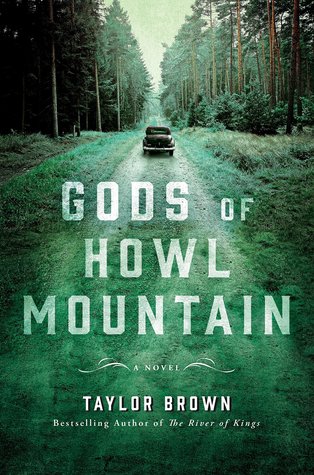
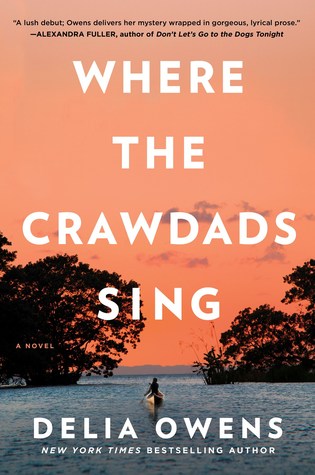
 Darl Moody and Calvin Hooper have been best friends forever, and so when Darl has the worst kind of accident, he knows who to turn to. You know what they say real friends will help you bury. The body in question is Carol Brewer; Darl was hunting out of season, and when he glimpsed something moving through the woods he thought it was a wild pig. Turned out he was wrong; turned out to be Carol, poaching ginseng on Coon Coward’s land. But you can’t bring the dead back to life, and you sure can’t call the cops for something like this. Carol is Dwayne’s brother, after all. Dwayne is a huge man, half- crazy and rattlesnake mean. There are no bygones in Dwayne Brewer’s world. There is only revenge.
 Markley’s thunderous debut is not to be missed. My thanks go to Simon and Schuster and Net Galley for the review copy, which I read free and early, but this is one of the rare times I can say that if I’d paid full hardcover price, it would have been worth it. This is the summer’s best fiction, and it’s available to the public August 21, 2018.
 Waterbury, Connecticut is the place to go for immigrants, the Brass Manufacturing Capital of the World; that’s true, anyway, until the plant closes. Elsie Kuzavinas waits tables at a Greek restaurant while her mother slaves over the assembly line at the Peter Paul Almond Joy Mounds factory nearby.

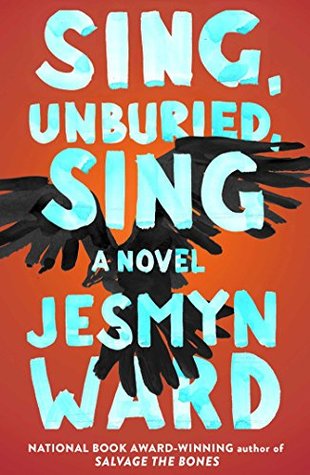 I had never read Ward’s work before, and now that I have I will follow her anywhere. Sing Unburied, Sing is a literary masterpiece, and one that fits the time in which we live. It opens up all sorts of thorny questions for examination, but like most thorns, it stings. I received my copy free and early courtesy of Scribner and Net Galley. This title is available to the public now.
 Seattle Book Mama