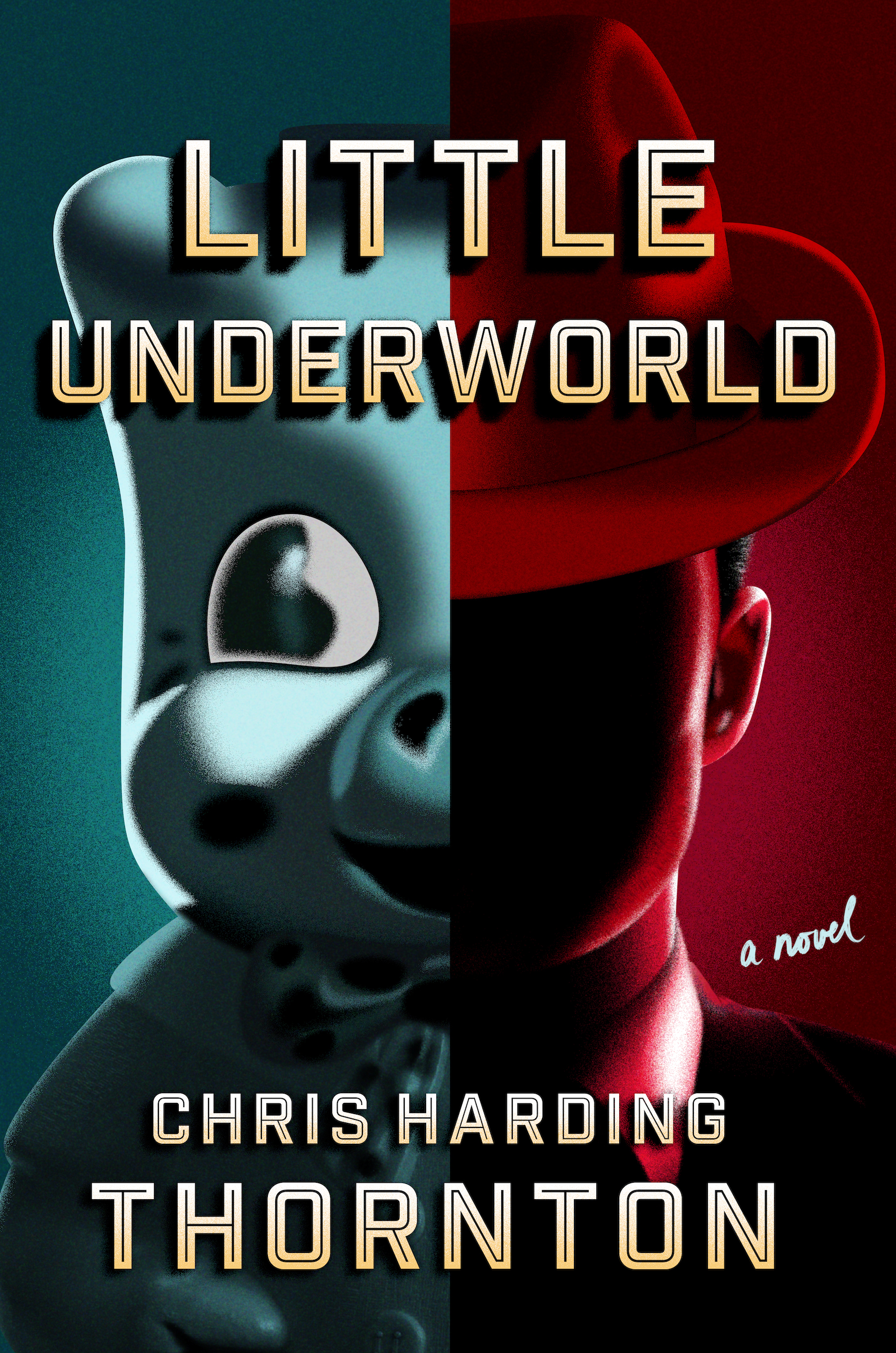
The Wages of Sin, by Harry Turtledove**

Before reading this book, I had always enjoyed Harry Turtledove’s alternative history novels, which have a sci fi vibe and usually a good dose of humor, sometimes of the laugh out loud variety. When I saw that this one was available, I leapt on it. What a freaking disappointment!

Nevertheless, my thanks go to NetGalley and ARC Manor Publishing for the review copy. This book is for sale now.

The premise is that HIV—renamed The Wasting– erupts in the early 1500s, but instead of dismissing it as a disease spread by gay men, English society sequesters its women in the home, never to be permitted friends or visitors, never allowed to go out and do their own shopping without extreme cloaking of bodies and faces, and extreme risk for committing the social sin of venturing out of the house. Viola is supposedly our protagonist, a young, intelligent woman of marriageable age who fumes under her constraints and entertains herself by reading her physician father’s collection of medical books.

Peter, whom we actually see a good deal more of, is the young man that the parents have arranged to marry Viola. The two of them are permitted to meet (in Viola’s home of course) in order to determine whether they are compatible. They are. Now Peter is off to university, and for the most part, we go with him.

Immediately we meet Peter’s obnoxious, wealthy roommate, who is masturbating when we encounter him. Turns out this guy never thinks of anything except sex. Peter is determined to wait for marriage because of the Wasting. There’s no treatment and there’s no cure; he doesn’t want it, and he doesn’t want to give it to Viola. His roommate, however, frequents brothels on an almost nightly basis and talks about it, graphically, interminably. Think of every vulgar, disgusting, disrespectful term you don’t want to know about women’s anatomy and the various sexual positions, and this jerk uses them all. All. The. Time. Repetitiously, constantly, and for no reason except, apparently, to make us hate him, which we do, and possibly as filler.

Have you ever known someone that makes up excuses to use objectionable language, because, see, they’re quoting someone? That’s how this feels to me.

There is no character development of any kind here. The book is short, but it feels interminable. I made it halfway through, then read the last twenty-five percent to be sure there wasn’t some redemptive element at the climax or the end. But there is no climax. There’s no story arc. For that matter, there are no gay people or bath houses, but hey, it’s alternative history, it’s fiction, and if Turtledove wants to leave out the gay people, he can do that.

But the disease? It comes from Africa. Oh, of course it does. Blaming the Black people for everything has apparently made it through from our time period to Turtledove’s invented world.

There is no redemptive feature to be found here, and frankly, the second star in my rating is there only as a wistful nod to this author’s earlier works. I recommend this book to anyone forced to purchase something for a horny, obnoxious male that wants a socially acceptable way to read porn. That’s it.

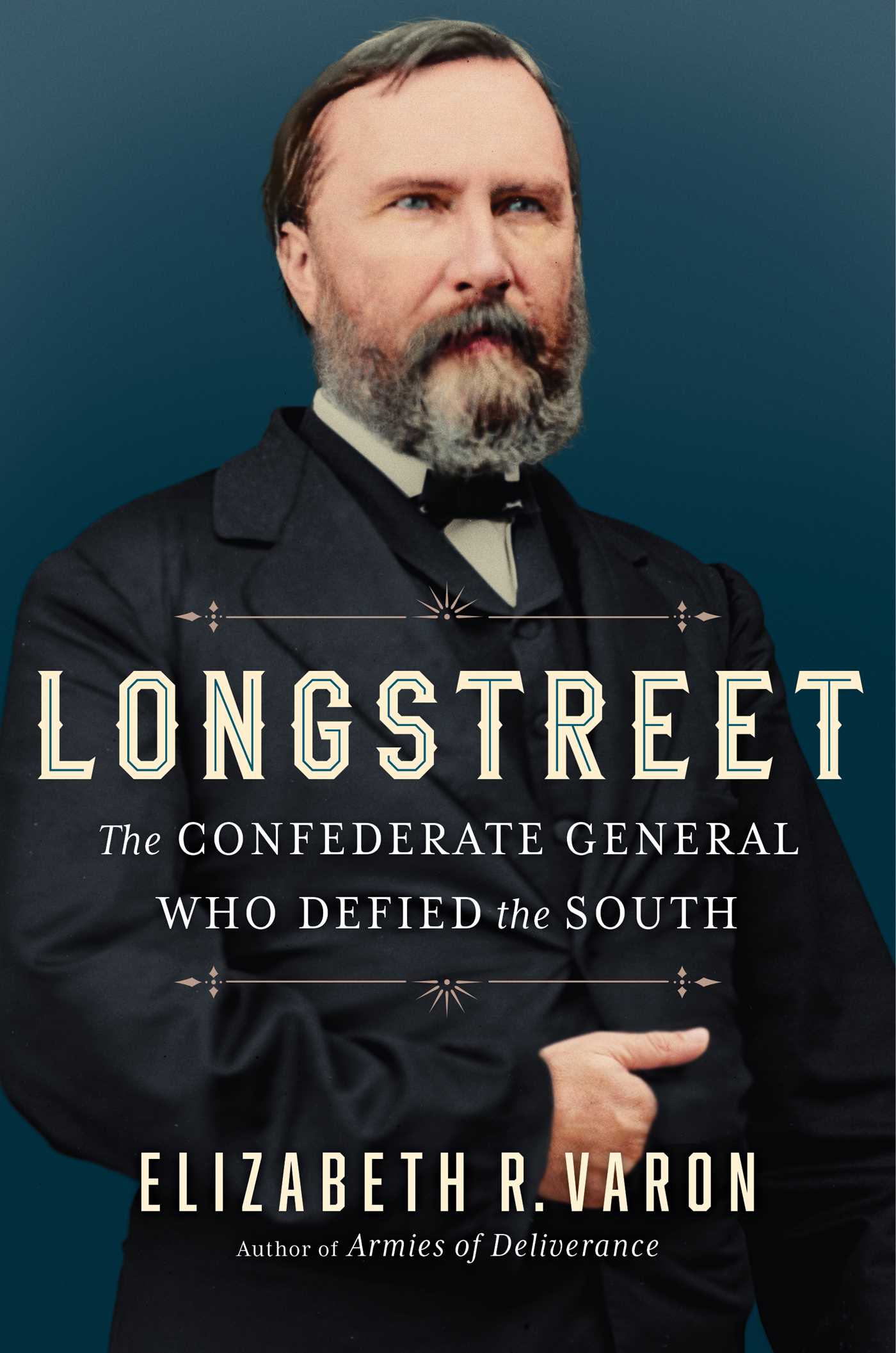
Charlie Chaplin vs. America, by Scott Eyman*****

Charlie Chaplin rose to fame over 100 years ago, but his fame hasn’t faded over the years. One of the most visionary movie makers in modern history, he rose from desperate poverty and homelessness during his childhood to become one of the wealthiest and most respected men in his chosen profession. And yet, for some odd reason, the U.S. government relentlessly pursued him as if he were an enemy agent, eventually forcing him to retire abroad. It’s a bizarre episode in U.S. history, and a fascinating one.

When I saw that Scott Eyman, an author whose biographies of actors I have previously enjoyed—John Wayne, Jimmy Stewart, Henry Fonda—had written about this case, I had to read it. My thanks go to NetGalley and Simon and Schuster for the invitation to read and review. This book is for sale now.

Charlie was born in 1889 in London. His mother Hannah was an actress, a loving mother whose health was dreadful. In addition to more conventional illnesses, she was sent repeatedly, and for longer stretches each time, to mental hospitals; it has been speculated that she suffered from syphilis, which eventually had devastating effects on her brain. Charlie’s father was a businessman who left the family and refused to pay a single shilling of child support because one of Charlie’s brothers was conceived with another man. And as an aside, if there is an afterlife, I sincerely hope that Charles Chaplin, Senior is roasting eternally in the flames of hell.

For a while, Hannah’s relatives cared for Charlie and his older brother, Syd, but eventually the boys found themselves in a workhouse, beaten, abused, sickened, and barely fed. It was his brother Syd who first discovered that acting could keep him out of the workhouse and put food on the table, and once he was so employed, Syd took his pale, sickly little brother to the theater and persuaded his boss to use Charlie, too. Thus was a star born.

His tremendous suffering during his childhood gave Charlie a lifelong sympathy with the working class, the impoverished, and the down and out. Early in his career, a director gave Charlie a costume and told him to come up with a character, and this was when he invented The Little Tramp.

I’ve known for most of my life about Charlie’s expulsion from the U.S., but I’ve never been sure whether he was a Communist. I’ve known people brought up in Communist households in America, and for many years, they existed strictly underground, so I wondered, did Chaplin deny his affiliation because he wasn’t a Communist, or because he was? Eyman’s meticulous research demonstrates once and for all that Charlie was not political. He told the truth about himself: “I am not a Communist. I am a peace monger.”

Nevertheless, once he gained prominence in the American movie industry, he had a target on his back. It’s difficult to understand why politicians and bureaucrats in California and in Washington, D.C. hated him so fiercely.

“A month after the revocation of [Chaplin’s] reentry permit, the FBI issued a massive internal report documenting more than thirty years of investigations focused on Chaplin, a copy of which was dispatched to the attorney general. The report revealed that, besides the FBI, Army and Navy Intelligence, the Internal Revenue Service, the Central Intelligence Agency, the Department of State, and the U.S. Postal Service had all been surveilling Chaplin at one time or another. In short, the entire security apparatus of the United States had descended upon a motion picture comedian.”

Eyman has done a wonderful job here. Because I had fallen behind, I checked out the audio version of this book from Seattle Bibliocommons, and I alternately listened to it and read the digital review copy. Of course, anyone reading this book for the purpose of academic research should get a physical copy, but those reading for pleasure may enjoy the audio, which is well done; this is a through, and a lengthy biography, and the audio makes it go by more quickly.

I confess I haven’t read any other Chaplin biographies, so I cannot say for certain whether this one is the best, but it’s hard to imagine a better one. For those sufficiently interested to take on a full length biography, this book is highly recommended.

The Great Divide, by Cristina Henriquez*****

I found The Great Divide, by Cristina Henriquez, on a short list of most anticipated novels of 2024. I don’t like to get shut out when a book gets this much buzz; then there’s the added draw of an unusual setting. The U.S. doesn’t see a lot of fiction published that’s set primarily in Panama during the early 1900s, and so that sealed it. My thanks go to NetGalley and Harper Collins for the review copies, both audio and digital. This story lives up to the hype, and I recommend it to you.

I am not so sure about it at the outset. There is a robust quantity of characters that are important to the story, and each of them is given a brief chapter all to themselves. I wonder whether they will ever intersect, or if this will turn out to be a collection of short stories, but before much longer, characters are meeting other characters. They don’t all end up together in the end, but we can see the ties that have formed. There are a lot of people to keep track of, and for me, having both the print version and the audio is tremendously helpful. Robin Miles narrates in a way that is natural and fluid, and I don’t notice much of what is around me when I listen to her. But once in awhile a character is mentioned and I draw a blank; here is where the Kindle version is essential, because I highlight the names of each of the characters, and this enables me to instantly flip back to where they were introduced to us without having to stop listening. Eventually, of course, I no longer need to do so, but knowing that I can makes for stress-free reading.

I am engaged with these characters, each of whom feels real to me, and I groan when I see them get into trouble, and sigh with relief once they are in the clear again. The ones that I care about most are a father and son that are estranged from each other, neither wanting to stay that way, yet both of them incorrectly interpreting the silence of the other. As we reach the climax, I can tell there are three ways for this situation to resolve: they can reconcile; one of them can die; or the son can decide to follow another character back to the U.S.A. without reconnecting with his dad.  It only now occurs to me that there was a fourth possibility, which was to leave them still estranged at the end; but by this time, Henriquez had shown herself to be a better writer than that, and while I won’t tell you how they wound up, I will say that she didn’t leave her readers dangling.

Because this is an intricately woven tale with a lot of equally important characters, I’m not including any quotes, but I will say that Henriquez is a talented writer, and anyone that loves good historical fiction should get this book and read it. This applies even more so to those interested in Latin American history and the building of the canal. I hadn’t read her work before, but she’s on my radar now, and I look forward to seeing what she writes next.

A Fever in the Heartland, by Timothy Egan*****

Timothy Egan, winner of the Pulitzer Prize, is one of my favorite historians to read. His most recent book, A Fever in the Heartland occupied the bestseller lists for months, and rightly so. I took my time with it because it is a very uncomfortable read most of the way through, with the first half being much rougher than the last. I learned a lot from it, and this is clearly a case of truth being stranger than fiction.

The Klan was originally formed by former Confederate officers after the Union’s victory in the American Civil War. However, it was stamped out during Reconstruction, and was gone for fifty years. It was revived on Stone Mountain, Georgia, and the horrifically racist film by D.W. Griffin, The Birth of a Nation, which depicts African-American men as crazed rapists that drink to excess and lose their minds when a Caucasian woman is anywhere nearby, not only aided its reincarnation, but contributed one of its most feared symbols. No crosses were burned until it showed up on movie screens around the United States; the pointy hoods were shaped that way to make the men underneath them appear taller. Later, the women’s organization had robes with cardboard forms in their own pointy hats, because a night of terrorism is no excuse for a woman to let her hair get out of control.

At one point, one Caucasian man in three belonged to the Klan. There was even a children’s organization, with activities similar to boy and girl scouts.

The woman that is at the center of this story, Madge Oberholzer, was the secretary in the office of D.C. Stephenson, the Grand Dragon of the newly revived Klan. Despite the hugely moral speeches he gave around the country extolling traditional values (for the time) including the avoidance of alcohol; women that remain virgins until marriage and then live their lives in service to their husbands and young children; Protestantism, with regular church attendance; Caucasian separation from other races and ethnicities; and unquestioning patriotism, Stephenson himself was a drunk, as well as a serial rapist and sexual sadist, fond of using his teeth to mutilate the women that he savaged. Madge was the one victim that would not crawl into the shadows, and she literally used her last dying breaths to expose him.

I was given a hardcover copy of this book when it was at its height of popularity, but it took me a long time to get through it, because I could only stand to read a few pages at a time. The end was enormously satisfying, however, and even in the worst parts, there are occasional moments that made me want to stand up and cheer. For example: the Klan plot to go the University of Notre Dame—a Catholic university– and burn the golden dome there was foiled by its football team, and the melee that ensued when they physically attacked the Klan is the origin of their nickname, The Fighting Irish. (The dome survived.)

Often when I read nonfiction history, I can’t help imagining how much more interesting it would be if it were written as historical fiction. That was never the case here. Firstly, if this were a fictional account, reviewers everywhere would have been brutal, because nobody would ever believe a story like this one. But the fact is, it’s entirely true, and Egan is second to none when it comes to research. Also, his conversational narrative style is as interesting as the best historical fiction; the pace here is slowed in places, not by any lack of authorial fluency, but by the horrifying nature of this true story.

For those that have the capacity to read something like this without becoming morbidly depressed or coming unstuck, this book is highly recommended. For everyone else, I recommend finding something lighter and more uplifting to alternate with it, and to never read this at bedtime. You won’t want it in your dreams.

The Last Outlaws, by Tom Clavin***

Tom Clavin is the author of Blood and Treasure: Daniel Boone and the Fight for America’s First Frontier, which is one of the best nonfiction galleys I’ve ever had the pleasure of reading, and so when I saw his new book, The Last Outlaws: The Desperate Final Days of the Dalton Gang, I jumped at the chance. My thanks go to NetGalley and Macmillan Audio for the review copy. This book is for sale now.

Sadly, I didn’t find the same level of fascination this time around. Outlaws! The Dalton Gang! How could this not be absorbing? And yet.

It is possible that had I read it rather than listened to it, I might have thought better of it. The narrator speaks in a clipped voice that at times approaches a monotone. I recall having an older male relative fast-reading some sort of legal agreement out loud. He obviously didn’t want to read it but had been told he must read every word before signing, and so he rushed through it, out loud, without pausing between the sentences, just to get through it. This seemed a little like that, as if the voice actor was bored to tears and wanted to be done. There is a place about a quarter of the way in where both he and the narrative perked up some, and I thought, Ah, here we go.

But we didn’t.

On the plus side, Tom Clavin gets his information straight before he writes anything, ever, so whereas those looking for entertainment should look elsewhere, those that genuinely want the information should get this book, either digitally or as a bound copy, and read it. Those doing research for a history essay or the like could do a lot worse than this.

So there you have it. Clavin is a capable author, and I am not done with him, but this narrator and I are finished.

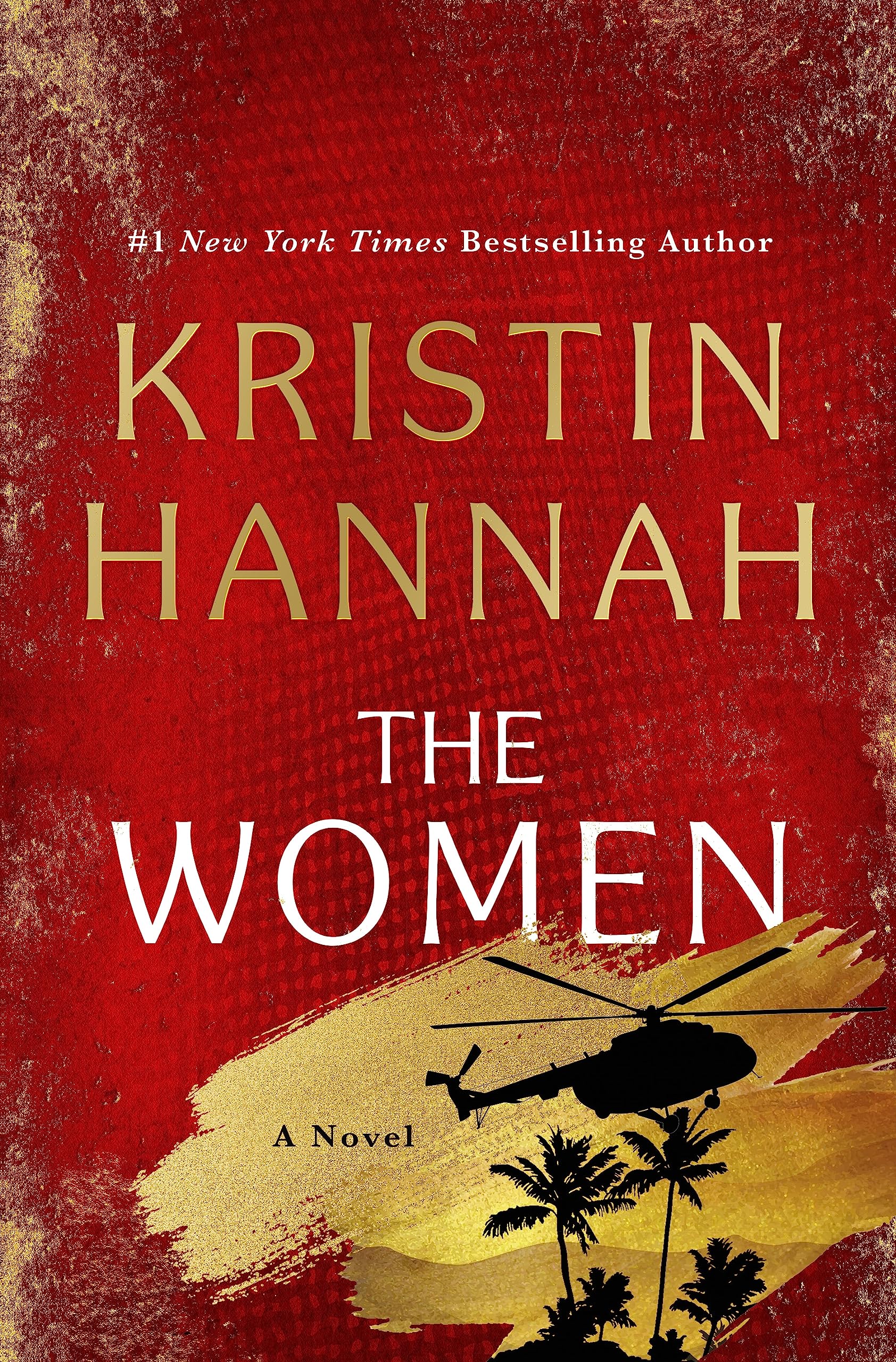
The Women, by Kristin Hannah****

Kristin Hannah can draw character like nobody else. Her latest novel, The Women, tells the story of Frances “Frankie” McGrath, a young woman from an upper middle class family that follows her brother to Vietnam, serving as an army nurse. Frankie is a character that will stay with me long after I read dozens of other novels, and this experience is made even more memorable by the talented Julia Whelan, the voice actor that narrates the audio version. My thanks go to NetGalley, St. Martin’s Press, and Macmillan Audio for the review copies. It will be available to the public February 6, 2024.

Frankie is twenty years old when we meet her, and her family is throwing a party for her big brother and best friend, Finley, who is leaving to serve in the U.S. Navy. Kennedy is in the White House, and most Americans still bear an implicit trust in their government. But Frankie is worried about Fin, and doesn’t like that he is about to put himself in harm’s way. He reassures her, “It isn’t dangerous, Frankie. Trust me. I’m a Naval Academy graduate, an officer with a cushy assignment on a ship. I’ll be back in no time. You’ll hardly have time to miss me.”

Frankie completes her nurse’s training, then signs on to join her brother, but before she is even packed, the telegram arrives. Finley is dead; killed in action.

The plot itself is unremarkable. Yes, war is hell; yes, friends die. And yes, a married man that sees an attractive, vulnerable American woman in a place where they are scarce, will lie like a rug in order to get close to her. But in Hannah’s hands, every joy and every sorrow are real and visceral, because we believe.

Frankie serves as a combat nurse at the front, and works in every possible hard situation. Sometimes the lights go out during surgery because a bomb has fallen; at one point her sleeping quarters is bombed and has to be rebuilt. She works for days on end without sleep when it’s necessary. And the trauma follows her home.

My only quibble with this otherwise outstanding story is the emphasis Hannah places on the abuse of returning troops by the public. She brings in the old saw about them being spat upon and called baby killers, even though an easy search confirms what I remember: this is mostly myth. Just as women weren’t really burning bras, most troops were not greeted with abuse. It’s true that the wildly patriotic parades that greeted the troops that returned from World War Two are not there for these men and women, but then, the Korean War vets didn’t see them, either. Historical fiction should honor history, not rewrite it.

With this caveat, I recommend this book to you. Do read it; it’s a damn fine novel. But do so critically, because you can’t always believe everything you read.

North Woods, by Daniel Mason*****

By now the word is out about this genre-bending novel. North Woods, by Daniel Mason, is nothing short of brilliant. My thanks go to NetGalley and Random House for the invitation to read and review; this book is available to the public now.

This book is all about the setting; there are some terrific characters, but don’t get too attached to any of them, because for the most part, they come and then leave. Rather, our story is about a cabin in the woods of upstate New York, and the acreage surrounding it, and how its use changes over the years.

We commence before the American Revolution, and so in the beginning, the narrative has the style of a very old diary, with antiquated spelling and language. This section is the reason I am so dreadfully late reading and reviewing this book. Honestly, the first fifteen percent or so is as dull as watching paint dry. I would begin reading it, but then my eyes would glaze over and I knew I had some other things to read by authors I knew and loved, and so I would switch books. But my Goodreads friends were raving about this book in unusually large numbers. Nobody didn’t like it. And so I summoned my self-discipline and went to it in a determined fashion, fortified by the audio version, which I received from Seattle Bibliocommons. This was very helpful. And once I got past that dry beginning, I began to understand why other readers were raving about it.

The first characters that are noteworthy are twin daughters named Alice and Mary, who are left to run the apple orchards on their own when their father goes off to war. He is a Loyalist, determined to save New England for his king. He doesn’t survive the war, which is just as well, because the locals hate him; he chose the wrong side to fight for. Neither daughter marries, and the property eventually goes to someone else.

The chain of owners is varied and, in many regards, absolutely hilarious. We see one new owner after another explore the house and the grounds, and of course, none of them has a full picture of the previous owner. I love the fact that I know more about this place than its most recent purchaser, and the assumptions that they make range from the merely incorrect to the disastrous. I cannot say too much more, although I particularly enjoy the character of George, whose phlegmatic, unattractive qualities are rendered uproarious in the audio version, and also the medium, a complete charlatan who’s horrified when she inadvertently awakens some actual supernatural beings. I would love to say more, but that would ruin it for you, and that would be a crime because surprise is an important part of the book’s success.

There is a formidable cast of actors that take on the reading for the audio book, and for those readers that are on the fence between audio and print, I recommend the audio version; better still, use both together.

After reading this one clever, memorable book, I will be watching to see what Daniel Mason writes next, because whatever it is, you know it will be good.

Highly recommended to those that enjoy historical fiction, literary fiction, humor, and horror.

The River We Remember, by William Kent Krueger*****

William Kent Krueger has been writing since the late 1990s, but he only came onto my radar in 2019, when he published This Tender Land. To read Krueger once is to want to read him again and again, as often as is possible, and that’s what I’ve been doing. The River We Remember is his most recent mystery, an achingly atmospheric novel set during the 1950s in rural Minnesota. My thanks go to Net Galley and Atria Books for the review copy. This book is for sale now.

The protagonist in this stand alone whodunit is the local sheriff, Brody Dern. Brody is a thoroughly believable character; there’s nothing of the TV sheriff about him. When the wealthy, universally hated Jimmy Quinn is found floating dead in the river, Dern does not lose sleep while vowing to find and reveal the entire truth. His first response is his own deep resentment that Quinn had to go and die in what had been, until now, Brody’s favorite spot to relax. How dare stupid, rotten Jimmy Quinn ruin this special place with his bloated corpse? And his second instinct is to minimize the damage to everyone else concerned. For example, the Quinns are Catholic, and if Jimmy committed suicide, they can’t bury him with the family. If not suicide, then perhaps a family member could stand it no more and shot him dead. Again, if so, no great loss, and let’s make sure the family is taken care of. And so, Brody’s first instinct is to wipe down Quinn’s truck so that, if other authorities should become involved in the case, none of these poor people will have to suffer for it.

Then, he goes to the evidence cabinet and removes some of the confiscated drugs so that he can get a decent night’s sleep.

Part of what fascinates me here is the culture of small town Minnesota during this time period. People don’t lock their doors most of the time. When a prisoner that Brody knows is almost certainly innocent requests a sharp knife in order to carve something, Brody gives it to him, right there in the cell. There are a number of interesting secondary threads, and all contribute to the steamy, smoldering ambience in which this story is set.

But oh lordy, the racism. And in this, I know there is no exaggeration. The culture among the Caucasian population of this tiny town, with regard to Native peoples and those of Japanese descent is not so very different from what I experienced as a child, growing up in the 1960s and even the 1970s in suburbs on the American West Coast. It’s bad. It’s really bad.

A feature of Krueger’s work—a signature aspect, in fact—is the inclusion of American Indian cultures and sociopolitical issues in Northern Minnesota. In other stories I’ve read, it’s been the Chippewa; this time, it’s a Dakota Sioux man named Noah Bluestone, and his Japanese wife, Kyoko. The author develops his characters well, with no stereotypes or hackneyed pop culture. This alone makes his work worth reading, but there’s so much more.

Over the course of just a few short years, Krueger has joined other luminaries on my list of authors whose work I read without question. I highly recommend this book to all that love the genre.

In the Pacific Northwest, October evenings are a great time to stay home. Of course, some people put on their hunting jackets, grab their gear, and head out into the woods; some are party animals seeking a good Halloween bash; and some are charitable souls that organize haunted houses and other seasonal attractions, with the proceeds going to good causes. But a fun fact is that a majority of us do exactly what I plan to do: curl up at home with my beagle, my book, a cup of hot apple cider and a bunch of Halloween candy that trick or treaters never show up to claim. Can’t let all that chocolate go to waste, now can we. If my plan looks good to you, check out these scary reads that I’ve collected over the years. A note of apology: ten years with Word Press isn’t enough, apparently, for me to adequately intuit all of the layout options. I have tried mightily to post each of these choices in a reasonable arrangement with links, but there are gremlins involved. Once again, then, I must ask that if you wish to read my review of one or more of these goosebump-worthy selections, please enter the title in the search bar. All of them are waiting for you!

The Golden Gate, by Amy Chua****-*****

“If I told a jury that Japs killed Santa Claus, I could prove it beyond a reasonable doubt. Everything changes, Sullivan, once you’ve got a different color defendant in the box. There isn’t a jury in this state that wouldn’t send a Jap to the gas chamber if they had a chance.”

4.5 stars, rounded upward.

‘The Golden Gate marks the authorial debut for Amy Chua, a badass author whose stories will be read for a long, long time. My thanks go to Net Galley, Macmillan Audio, and St. Martin’s Press for the review copies. This book is for sale now.

Our story is set during two time periods, 1930 and 1944, in Berkeley, California. Detective Al Sullivan is investigating a murder whose roots are inextricably tangled with those of another, in 1930. Our point of view shifts often, both in time period and narrator. Most of it is told in the first person, either by Sullivan or by the elderly Genevieve Bainbridge, grandmother of the victim in the 1930 murder, now ready, in full Mama Bear protective mode, to do whatever she must to protect what family she has left.

The narrative has a strong noir flavor, and I halfway expect to find Humphrey Bogart around the corner, smoking and looking pensive. However, there is something Chua brings to the story that Bogart never did: a frank look at the injustices of the period, from the immense disparity of wealth among the denizens of Northern California, to the shameless victimization of people of color, who were much fewer in number in this part of the world then, than now.

I put this information up front, because in the early portion of the novel it isn’t obvious that the racism isn’t being highlighted, rather than propagated. I nearly discontinued reading this book because the “J” word is a hot button for me, and I initially believed that it was being used as a lazy way to depict the culture of Anglo Caucasians during this time period. I’ve seen it done many times, the use of the racial slur against Japanese because the author believed it increased the story’s authenticity. In Chua’s case, it’s the opposite.

The solution provided at the end relies overmuch on the journal of Mrs. Bainbridge, and in places, the details of the murder, and the motivation for same, are a stretch. For that reason, I initially rated this fine novel four stars. In the end, though, I realized that the social justice component more than makes up for it.

I was fortunate enough to have both the audio and digital galleys. Although the readers do a creditable job, the complexity of the story, including frequent changes of place, time period, and point of view, make for a confusing listening experience. For that reason I recommend the print version over the audio, unless both are available together.

Highly recommended.