
 Dee’s new novel has created a lot of buzz. Despite impressive list of publications and accomplishments, he had slid under my radar until now; thanks to Net Galley and Random House, I read this free and early in exchange for this honest review. It is available to the public Tuesday, August 8, and those that love strong, purposeful fiction should get it and read it.
The Locals is entertaining, and it also conveys a sharply driven message, one that is timely, as we see the middle classes wasting away in Western nations that were once strong and relatively democratic, the most affluent becoming richer, and tens of thousands of homeless living in cardboard shacks and tents beneath the freeways of otherwise-successful American cities.
The story starts with 9/11. Mark Firth is in Manhattan on business and is taken advantage of by a con artist. By contrast, Howland, the small (and fictional) town where he lives and in which our story is set, seems safer, and more benign. He breathes easier when he is home.
He isn’t the only one that feels that way.
Philip Hadi decides to leave the big city, and he hires Mark to fortify his summer home into a secure summer residence. From there things unfold, and Hadi takes on increasing amounts of responsibility and power in Howland.
The story is largely character driven, and I dare you to find a novel in which a large number of townspeople are better developed than these. At the outset, I think I know which are the better citizens of Howland and which are its pond scum, but as the story progresses—told in third person omniscient, with one noteworthy exception—the most lovable characters darken, while those that seem irredeemable at the outset show some vulnerability and decency. Even without the novel’s purpose, which is brainy and clever as hell, it would be a good read. I particularly credit male authors that can develop female characters with this kind of depth. You don’t see it often.
Ultimately, however, we are forced to examine, through the eyes of the people of Howland, the role of the super-rich. How much authority are we willing to cede in exchange for easy material benefit? Teachers that have questioned the authority given philanthropists that have a lot of dollars to throw around, but no background whatsoever in education, will particularly appreciate this story. Beyond all of this, it’s absorbing, entertaining, and in places it’s funny as hell.
Highly recommended to those that love strong fiction.
 Crime Scene is the first in the Clay Edison series, written by a father and son team. Big thanks to Random House Ballantine for the DRC, which I received in exchange for this honest review. I rate this mystery 3.5 stars.
 “It doesn’t do any good to just run away from something, you’ve got to be running to something.”
 Pielmeier’s debut novel gives poor, maligned Captain Hook an opportunity to share his side of the story. The teaser promises a “rollicking” story, and at first it seems to be exactly that, but it runs out of steam early on. Nevertheless, thank you, Net Galley and Scribner, for the opportunity to read and review.
 John Connolly writes two kinds of books. Some of them are good; some are damned good. This is one of the latter. It’s the fifteenth in the Charlie Parker series, and it marks a turning point; previously a thriller series with mystic overtones, it’s now a stew combining multiple genres. Connelly heats his cauldron and pours in a healthy dose of suspense, mixes in some detective fiction, and blends in horror and fantasy as well, along with a pinch of humor. The overall result is deliciously creepy, the kind of story that stays with me after I’ve read a dozen other less memorable books. Big thanks go to Net Galley and Atria for the DRC, which I read free and early in exchange for this honest review. The book is for sale now.
 “…how can you ever really know the truth about another person? We all write our own narratives about the people we know and love…”
 “It doesn’t do any good to just run away from something, you’ve got to be running to something.”


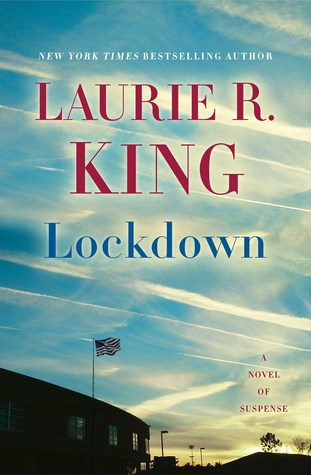 I am a big fan of Laurie R. King’s contemporary thrillers, and this one is no exception. Thank you to Net Galley and Random House Ballantine for the DRC, which I read free and early in exchange for this honest review. It’s for sale today, so now everyone can read it.
 Amish Guys Don’t Call is funny, absorbing, and ultimately lifting. Dodds has a great heart for teenagers, and this title is one that should grace every high school and middle school library, and will also attract parents and teachers of adolescents. I read it free and early thanks to Net Galley and Blue Moon Publishers. This book will be available to everyone June 13, 2017.
 Seattle Book Mama