
 Voice, voice, voice; nobody writes like Sharyn McCrumb. Here her dry, dark humor combines with her expertise in Appalachian culture and above all, her deep respect for the working poor, and the result is a masterpiece of an historical mystery. Thanks to Net galley for the DRC, and to Atria for sending a hard copy galley and a finished copy of this excellent novel. However, had I paid full freight, I’d have come away happy. This book will be available to the public September 12, 2017.
Based upon the legend of the Greenbrier Ghost, our story is set in West Virginia in 1897. Zola Heaster is swept away by the handsome young blacksmith that comes to her tiny Appalachian farming community. Her story is told to us primarily in a first person narrative by her mother, Mary Jane. Magnetic physical attraction overwhelms any common sense Zona may possess—which isn’t much—so when the handsome stranger comes along, Zona tumbles:
“Zona was well nigh smirking at him—cat-in-the-cream-jug smug, she was. Well, Mr. Shue—the name fits the trade, I see—I am Miss Zona Heaster, a visitor to my cousin’s house, here. How do…Well before Edward ‘Call me Trout’ Shue came ambling along, with his possum grin and his storybook profile, we’d had trouble with Zona.”
“’He’d be lucky to have me.’
“’Well, Zona, it seems that he already has.’”
Mary Jane doesn’t like her daughter’s suitor, and a number of small but troubling things make her reluctant to see this wedding take place, even given the shotgun-wedding circumstances. We are disquieted, not by huge monstrous overt acts by Shue, but by the small hints that provide a deeper suspicion, a sense of foreboding. Part of McCrumb’s genius is in knowing when less is more.
Ultimately, Zona marries and moves away, and is little heard from. Too little. And here is the mother’s dilemma that most of us will recognize: how much should a mother pry? Will it make things better to follow our nose to the source of trouble; can we help? Or will our efforts only antagonize one or both of the newlyweds? And I love Zona’s father, the laconic Jacob who tells his wife that Zona has made the choice to marry, and she’s made the choice to stay there, so “Let her go, Mary Jane.”
But it’s a terrible mistake.
A secondary thread alternates with this one. The year is 1930; attorney James P.D. Gardner is consigned to a segregated insane asylum following a suicide attempt. His doctor is the young James Boozer, who has decided to try the new technique that involves talking to one’s patients. This device works wonderfully here because it provides Gardner the opportunity to discuss a particularly interesting case he tried many years prior, one that involved defending a white man accused of murdering his wife. The conversation flows organically, rather than as a monologue shoehorned into the prose. I am surprised at first to see McCrumb write dialogue for African-American men; I don’t think she has done this before, although I can’t swear to this.( I have been reading her work since the 90s and may have forgotten a few things along the way.) The dialogue between Gardner and Boozer is dignified and natural, and this is a relief; those that have read my reviews know that there have been others that failed in this regard. And just as the discussion starts to drone—intentional, since one of the two men yawns just at the moment I do—everything wakes up, and we learn about the trial of Trout Shue from a different vantage point.
Every aspect of this novel is done with the authority and mastery of Appalachian fiction for which McCrumb is legendary. The dialect is so resonant that I find myself using it in writing, speech, and even thought—just tiny snippets here and there—and then laughing at myself. And I cannot help wondering how much of it stewed its way into McCrumb’s own conversations while she was writing. You may find it in yours.
The result here is spellbinding, and the use of Appalachian legend, herbal medicine, and folklore makes it all the more mesmerizing. Again, skill and experience tell here. How many novels have I read in which an author’s research is shoehorned in to such a degree that it hijacks the plot? Not so here. The cultural tidbits are an integral part of Mary Jane’s personality, and there’s no teasing them apart. Instead of distracting as it might in less capable hands, the folklore develops character and setting, and ultimately contributes to the plot, when Zona’s ghost returns to let Mary Jane know that she has been murdered.
This is no-can-miss fiction, strongly recommended to those with a solid command of the English language and a love of great literature.
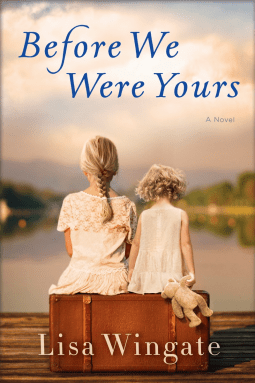 Lisa Wingate is an established author, but she is new to me. I received this DRC free and early, thanks to Net Galley and Random House Ballantine; it is available to the public Tuesday, June 6, 2017. And although I would love to tell you to run out and buy it right now, in all honesty I have never felt quite so ambivalent about a novel, at least not in recent years. There’s so much that’s good here, but there’s also some terrible material—albeit brief—that any sensible editor would have to question, and that every reviewer that’s paying attention has to notice.
 Those looking for a sweet, light romance will find it here and come away happy. It was just published, and you can get it now. Thanks go to Net Galley and Lake Union Publishing for the DRC, which I received free of charge in exchange for an honest review.
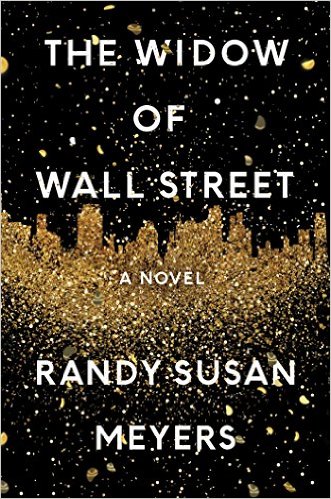 I was invited to read and review this title by Net Galley and Atria Books. To be honest, I wasn’t sure I wanted to read it. What, Wall Street? What does that have to do with the real lives most of us lead? But when I noted that the story involves an enormous tumble off that golden pedestal, I was intrigued. I am really glad I accepted the offer to read, because it contains a feminist subtext that I had no idea would be here. This story will be available to the public April 11, 2017.

 There are good writers, excellent writers, and of course, indifferent writers, but once in a rare while there’s a writer that makes me sit up straight and take notice, someone with that special spark of genius that no money can buy nor school can teach. Krivak’s work is exquisite, the product of both power and restraint. If you love historical fiction, you have to read this book, which comes out January 24, 2107.
 There are good writers, excellent writers, and of course, indifferent writers, but once in a rare while there’s a writer that makes me sit up straight and take notice, someone with that special spark of genius that no money can buy nor school can teach. Krivak’s work is exquisite, the product of both power and restraint. If you love historical fiction, you have to read this book, which comes out January 24, 2107.
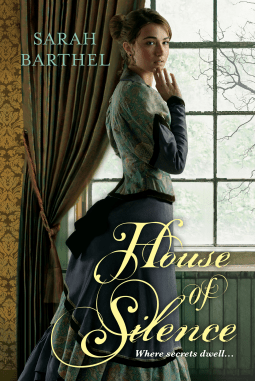 The premise of this historical romance had me at the get-go: Isabelle Larkin is engaged to marry wealthy, powerful Gregory Gallagher, but she calls it off after she sees him commit murder. Her family doesn’t believe her, and embarrassed, they have her trucked off to a sanitarium, where she meets Mary Todd Lincoln. I thank Net Galley and Kensington Publishing for the invitation to read and review. This book becomes available for purchase December 27, 2016.
 Brevity isn’t possible here. Settle in and get comfy. Here we go.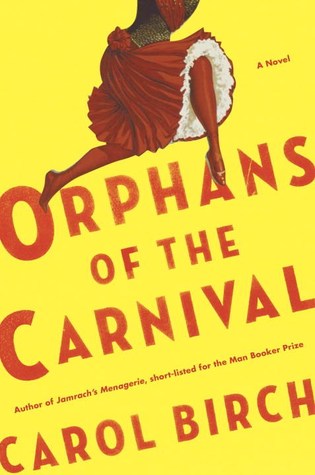
 Fannie Flagg is legendary, and rightly so. In fact, at one point in my reading of this DRC, I reflected that someone with her power to move people has power indeed; how fortunate that she uses her gift to benefit the rest of us. I don’t know about you, but I am ready to read something that provides a level of reassurance that all has not gone sour in this world, and that everything passes, sooner or later. I was fortunate to read this free and in advance thanks to Random House and Net Galley, but it’s one of the very few books for which I’d have paid full freight if it came down to it. It hits the shelves November 29 and is available for pre-order right now.
 Seattle Book Mama