
Translated from Portuguese by Zoe Perry
The Secret Dinner, by Brazilian author Raphael Montes, has become an international sensation, and once a friend mentioned it, I had to read it. My thanks go to NetGalley and Celadon Books for the review copy; this book is for sale now.
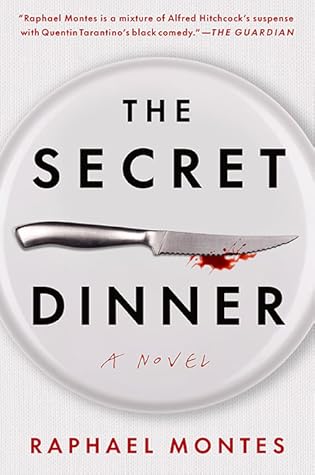
Our story begins with four main characters. Dante, a student, is the protagonist; it is he that provides the first-person narrative. Then there are his three roommates, all close friends since childhood. Hugo is a chef; Miguel is a hospital intern; and Piglet is a mess, an agoraphobic computer whiz who mostly stays in his room, eating junk food as he invents programs and plays video games. Dante’s family has provided the seed money to get them all into this lovely apartment in the city, but now they all have rent to pay. It’s not easy, but they do it…until they are threatened with eviction for nonpayment. Wait, what? Yes. The roomie in charge of paying the rent has been squandering everyone’s money on a sex worker!
Now they’re in trouble.
Finally, they hatch a plan: they will serve incredible gourmet meals to a select group of extremely wealthy clients. Exclusivity will be the main draw. They use the name “Seagull Meat,” but that’s just a witticism. Seagulls are not what they are serving! They plan to do it only a couple of times, till they raise the rent and the back rent, but they meet with such success, and oh, so much money, that they continue, even once they no longer have to.
I read an eclectic combination of genres, and every now and then, I read a horror novel or an unusually visceral murder mystery. I don’t have the stomach for a lot of it, but I like the occasional dabble.
This story, my friends, is no dabble!
I don’t want to go into a lot of detail here, because the whole thing is better when the element of surprise is honored. However, the gruesome details, which start out humorous, increase and at about the 65% mark, I found I couldn’t take it, so I skipped to the 85% mark, then skimmed until I reached the 90% mark, where I commenced reading the rest. I initially recorded this book as “did not finish,” but I changed it to “read,” since I did in fact read the beginning, end, and most of what is in between. And the ending. The ending!! The ending. The ending is epic, and once again, it’s funny as hell.
Recommended for readers that aren’t squeamish; don’t read the promotional blurb till you’ve read the book.
 The Caregiver is one of the year’s best surprises. I read this book free and early, thanks to Net Galley and Simon and Schuster. Our protagonist is Mara Alencar, and our setting is split between present day Los Angeles, and Rio de Janeiro, Brazil in the 1980s. I am drawn to the story initially because of the setting, which I don’t see often; but it is Mara that keeps me turning the pages. Those that treasure excellent, character-based literary fiction should get this book and read it.
