
“Lucy said, ‘So what is the point of this story?’
“Olive laughed. She really laughed at that. ‘Lucy Barton, the stories you told me—as far as I could tell—had very little point to them. Okay, okay, maybe they had subtle points to them. I don’t know what the point is to this story!’
“’People,’ Lucy said quietly, leaning back. ‘People and the lives they lead. That’s the point.’
“’Exactly,’ Olive nodded.”

Elizabeth Strout’s fifth entry into her Amgash series, Tell Me Everything, feels like a homecoming of sorts, as she integrates the main characters from all of her earlier novels, or most of them anyway, into a single volume. Lucy Barton, Olive Kitteridge, the Burgess Boys—both of them! It’s a wonderful thing to put them, or some of them, together in the same room for a conversation, or have two of them become friends and take walks together. It’s a lot of fun for her readers, and it was probably a lot of fun to write, too.
My thanks go to Random House and NetGalley for the invitation to read and review. This book is for sale now.
As is true with most books by Strout, the book isn’t—as the quote above suggests—so much about events as it is about the characters that live them. Publicists can call this a murder mystery if they want to, but if you are a new reader and you believe them, you will be disappointed, because the mystery is almost incidental to the story as a whole. The man under suspicion is living his life, and we read about him; the fact that his mother died under suspicious circumstances isn’t nearly as important as the life this poor fellow has been living. Meanwhile, there are a number of other plot threads that are just as important, and most of them have nothing to do with him or his family.
In fact, if I were to draw a theme from this story, it would perhaps be friendship; you might also make a case for fear. For example, Lucy tells Bob Burgess on one of their walks that “none of us are on sturdy soil, we just tell ourselves we are.” And then “when Bob thought about the state of the country these days, he sometimes had the image of a huge tractor trailer rumbling down the highway and the wheels, one by one, falling off.”
This is an easy theme to relate to; much of the polarization of the United States right now has to do with two main ideological camps, and a few smaller ones, being utterly terrified of what will happen next if the wrong people come to power; of course, opinions vary on exactly who the wrong ones are.
Nevertheless, I don’t see that as the main theme. The earliest Amgash books absolutely oozed anxiety. I felt as if I needed to take something before I read them, they were so fearful in their essences. But this story isn’t like that. Here, there’s a sense of acceptance, and also a sense that friendships, and the people inside of those friendships, can help one another.
So despite the mystery thread, this is what Lucy and Olive say that their stories are about: people and their lives. It follows that those of us that have loved the earlier volumes will love this one even more, because Strout is doing what she does best: she sculpts characters so visceral that I feel I would know them if I passed by them in the grocery store.
Can you read this one as a stand-alone? Well, sure you can. I won’t try to stop you. But your experience will be richer and more satisfying if you treat yourself to some of the earlier stories. Some of them are rough reads, and I myself haven’t read everything this author has written, but if you grab a couple of them at least, particularly the Amgash and Olive books, you’ll appreciate this one more.
Highly recommended to all that cherish outstanding literary fiction.

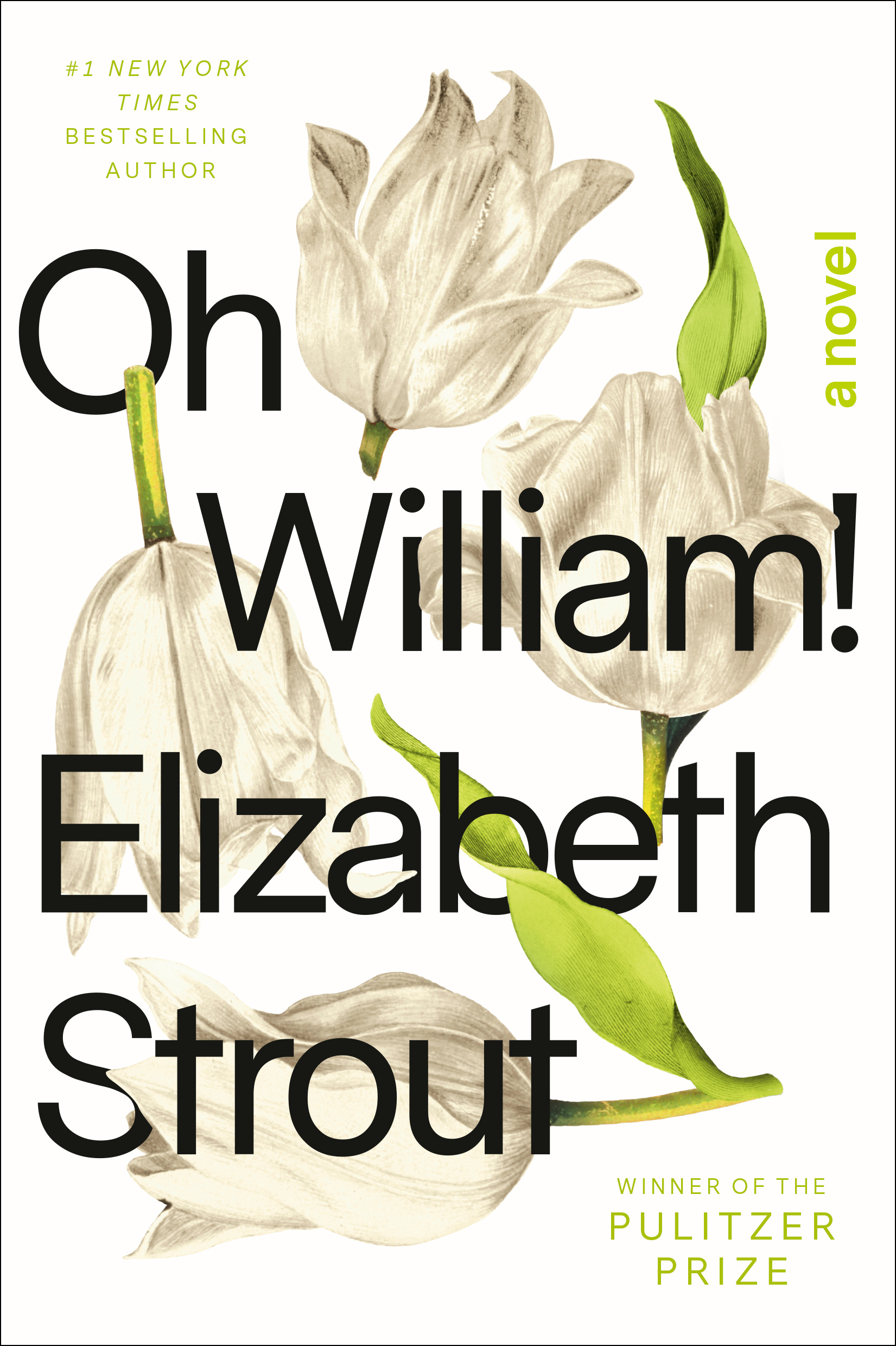
 Strout is a writer of enormous talent and the owner of a Pulitzer. Here she builds on the characters she introduced in 2016 with My Name is Lucy Barton. Lucy is back, along with various relations and everyday people. I read this book free and early, thanks to Net Galley and Random House, for the purpose of generating an honest review. This title will be sold April 25, 2017, and those that love strong literary fiction won’t want to miss it.
 Seattle Book Mama