
 HE Bates wrote these stories during WWII; he served in the British Royal Air Force and received the unusual commission of author. His whole job was to write one short story after another. He was stationed with British pilots from 1941-1942, and he sat with them when they were between flights and listened with a sympathetic ear. He listened well, and the result is a collection of nearly 30 short stories, one of which is novella length, and they are strong, resonant fictional stories whose protagonists were inspired by actual pilots. Thank you twice to Net Galley and to Bloomsbury Publishers for the DRC. This collection is for sale now.
When I told my spouse that I was reading a collection of short stories about RAF pilots during this time period, he asked if that wasn’t a lot of stories to plow through, all on the same subject. I can understand why he—and maybe you—might think so, but the stories are all so different, and their characters so richly drawn, that it’s a bit like asking a mother of a very large family whether she might not like to trim a few sons and daughters from the herd. Although I can tell you which ones are my favorites, I also have to say there is no filler or weaker material here. Everything is very well written, and each story distinct in setting and characters from all others.
I sat down and read it start to finish, but once you have the collection, you can jump around however you like. The stories are not in any particular order. If your household has a book tucked into the bathroom or the guest room, a solid short story collection like this is a good choice, because the person that’s in that room won’t be there that long; this gives them a look at something they can finish. Most of the short stories are just a few pages, with just one toward the end in the part labeled as extra stories that might qualify as a novella.
Although I do have favorites, mine might not be the same as yours. I was drawn to “There’s No Future in It”, a story in which a father tries to dissuade his daughter from becoming involved with a pilot. It’s dark and resonates strongly. I also loved “K for Kitty”, a poignant tale about a pilot that strongly preferred one particular fighter plane; “The Young Man from Kalgoorie”, whose parents attempted to hide the very existence of the war from their son by keeping him busy on the farm and away from newspapers; and “O’Callahan’s Girl”, a young woman that loves a shy young flyer who only wants France to be restored to its previous state.
A happy surprise, given the era in which it was written, was the inclusion of a female soldier (in what is referred to as the “Russian” army, though the fact is it was the USSR and therefore Soviet Army at that time). This was a welcome addition. Unfortunately, there are two racist references, and if the stories were being written today, I would have knocked more than half a star off the rating because of them, but from the World War II generation’s Caucasians, I know (my parents having been among them) that the terms they used were thoughtless but made from ignorance rather than malice.
For example, in one story there is a brief mention made of a West Indian “boy” that used to work as a barrister. I blinked for a moment, not getting it at first. What kind of prodigy must that boy have been to have had a law career already and be out doing something else now? And then the penny dropped, and I realized this is actually a man, but he was referred to this way because of his race and ethnicity.
The second reference is to a brave pilot who nevertheless is described as being unusually ugly; his features bear some unflattering characteristics of the “Red Indian” and the “Mongoloid”.
Both of these go by in the blink of an eye, yet it’s only fair you be told in advance.
Finally, the thing that impressed me the most about these stories is that every last one of them had an unusually strong closing. The first few that left me gaping at their brilliance on the last page, last paragraph, last line were noted, but eventually it became clear that all or most of the collection was going to be like that, and of course I am not going to quote them here and ruin the stories’ endings for you. But one thing I will also say is that short stories that end with planned, maddening ambiguity are my pet peeve. For example, if a man is about to go through a door to either meet special delight or certain doom and the writer ends the story by having the man go through the door and gasp, and that’s the whole thing, he may be gasping with delight, or with horror, and we will never know which…? I hate that! And this set of short stories has none of it. Some end poignantly, some beautifully, some tragically, but every ending is in one way or another deeply satisfying and free of ambiguity.
For those that love military fiction, highly recommended.
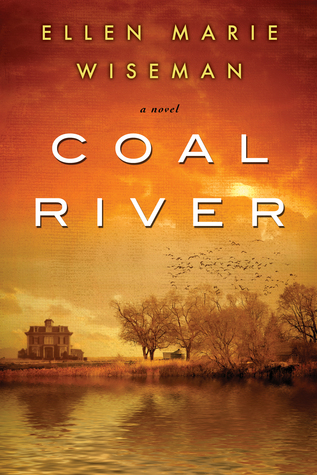 Coal River is a work of historical fiction set in Coal River, Pennsylvania. A region by that name exists, and was the location of pitched battles between the United Mine Workers of America and local cops, strikebreakers, and company goons. Wiseman does a creditable job in her rendering of the setting in which it all unfolded. Thank you to Kensington Publications and Net Galley for the DRC, which I received in exchange for this honest review. It is now available for purchase.
 Seattle Book Mama